Introduction
In today’s digital-first world, social media has become one of the most powerful marketing channels for businesses of all sizes. Whether it’s a startup, a local shop, a growing brand, or a multinational company, having a well-planned social media marketing strategy is no longer optional—it’s essential. With billions of active users across platforms like Facebook, Instagram, LinkedIn, YouTube, and X (formerly Twitter), businesses have endless opportunities to connect with their target audience, build trust, and drive sales.
However, simply posting content every day doesn’t guarantee success. Many businesses struggle because they lack a clear strategy, fail to understand their audience, or focus on vanity metrics instead of meaningful business goals. A successful social media marketing strategy requires careful planning, audience research, consistent branding, engaging content, and continuous performance analysis.
For individuals looking to build a career in digital marketing or improve their business growth, learning these skills through a digital marketing course in Mumbai can provide practical knowledge and hands-on experience with industry-leading tools and strategies.
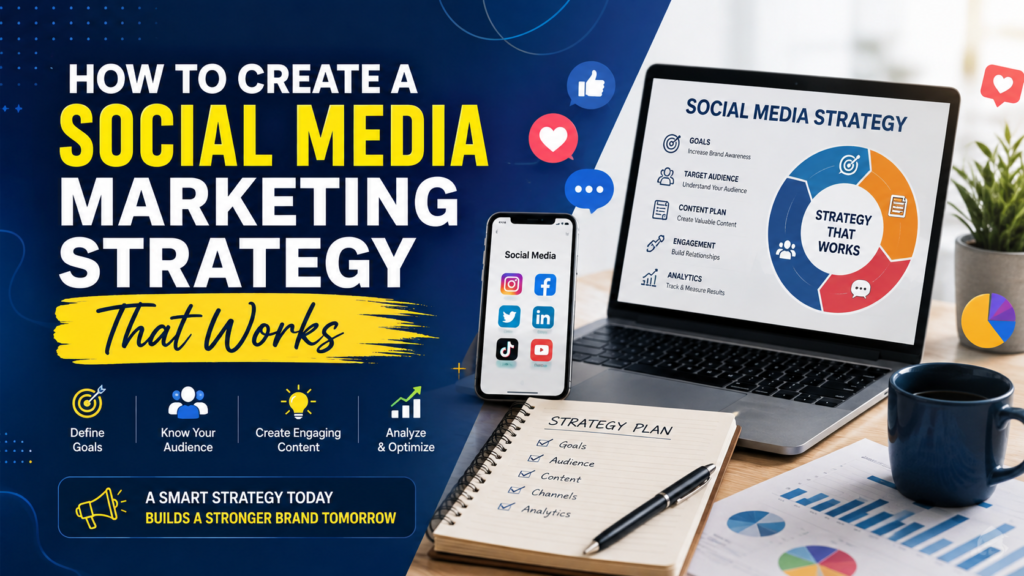
This comprehensive guide explains how to create a social media marketing strategy that delivers measurable results. You’ll learn the essential steps, best practices, platform selection, and the skills needed to succeed in today’s competitive digital landscape.
What Is a Social Media Marketing Strategy?
A social media marketing strategy is a structured plan that outlines how a business will use social media platforms to achieve specific marketing goals. Instead of posting content randomly, a strategy defines objectives, identifies the target audience, determines the best platforms, creates a content plan, and measures campaign performance.
An effective strategy helps businesses:
- Increase brand awareness
- Generate quality leads
- Improve customer engagement
- Build customer loyalty
- Increase website traffic
- Drive product or service sales
- Strengthen online reputation
Without a strategy, businesses often waste time, money, and resources on content that doesn’t produce meaningful results.
Key Components of a Social Media Marketing Strategy
A successful strategy typically includes:
- Business goals
- Target audience research
- Competitor analysis
- Platform selection
- Content planning
- Posting schedule
- Budget allocation
- Performance tracking
- Continuous optimization
Every successful brand follows a structured approach instead of relying on guesswork.
Why Is Social Media Marketing Important for Businesses?
Social media marketing has transformed the way businesses communicate with customers. Unlike traditional advertising, social media enables two-way communication, allowing brands to build stronger relationships with their audience.
1. Builds Brand Awareness
Millions of users spend hours on social media every day. Consistent posting increases brand visibility and helps businesses stay top of mind.
For example, a local bakery that regularly shares behind-the-scenes videos, customer testimonials, and new product launches is more likely to attract repeat customers than one with an inactive profile.
2. Generates High-Quality Leads
Social media platforms offer advanced targeting options that help businesses reach potential customers based on demographics, interests, location, and online behavior.
This targeted approach improves lead quality while reducing advertising costs.
3. Improves Customer Engagement
Customers today expect brands to respond quickly to comments, messages, and reviews.
Businesses that actively engage with followers build stronger relationships and improve customer satisfaction.
4. Supports Business Growth
Whether launching a new product or expanding into new markets, social media provides a cost-effective way to promote offerings and attract new customers.
5. Boosts Website Traffic
Sharing valuable blog posts, videos, and educational content encourages users to visit a company’s website, increasing opportunities for conversions.
6. Strengthens Customer Trust
Consistent communication, authentic storytelling, and customer success stories help establish credibility.
People are more likely to buy from brands they trust.
What Are the Steps to Create a Successful Social Media Marketing Strategy?
Creating a strategy requires more than scheduling posts. The following step-by-step framework can help businesses achieve long-term success.
Step 1: Define Clear Business Goals
Before creating content, businesses should identify what they want to achieve.
Common goals include:
- Increasing brand awareness
- Growing followers
- Driving website traffic
- Generating leads
- Increasing online sales
- Improving customer support
- Building community engagement
Using SMART goals (Specific, Measurable, Achievable, Relevant, and Time-bound) makes it easier to track progress.
Example:
Instead of saying:
Increase Instagram followers
A SMART goal would be:
Increase Instagram followers by 25% within six months through educational content and consistent engagement.
Step 2: Understand Your Target Audience
One of the biggest reasons social media campaigns fail is poor audience targeting.
Businesses should understand:
- Age group
- Gender
- Occupation
- Interests
- Income level
- Pain points
- Online behavior
- Preferred platforms
Example Audience Profiles
Students
Interested in learning new skills, career opportunities, online courses, and affordable education.
Housewives
Often look for home businesses, flexible careers, cooking, fashion, parenting, and online earning opportunities.
Business Owners
Seek marketing strategies, customer acquisition methods, automation, and business growth ideas.
Small Business Owners
Need affordable marketing solutions that generate measurable ROI.
Creating audience personas helps businesses produce more relevant content.
Step 3: Research Competitors
Competitor analysis helps identify:
- Popular content formats
- Posting frequency
- Audience engagement
- Campaign ideas
- Content gaps
- Trending topics
Businesses can learn valuable lessons from competitors without copying their content.
Questions to ask:
- Which platforms are competitors using?
- Which posts receive the most engagement?
- What hashtags do they use?
- What type of content performs best?
Step 4: Choose the Right Social Media Platforms
Not every platform is suitable for every business.
Choosing platforms based on audience behavior improves marketing effectiveness.
Which Social Media Platforms Should Businesses Choose?
Best for:
- Local businesses
- Community building
- Paid advertising
- Lead generation
Facebook remains one of the largest social media platforms and offers powerful advertising tools.
Best for:
- Fashion brands
- Food businesses
- Beauty industry
- Personal branding
- Influencer marketing
Popular content includes:
- Reels
- Stories
- Carousels
- Product showcases
- Behind-the-scenes content
Ideal for:
- B2B companies
- Professionals
- Recruitment
- Personal branding
- Educational institutions
Businesses offering professional services often see excellent results on LinkedIn.
YouTube
Perfect for:
- Tutorials
- Product demonstrations
- Educational videos
- Reviews
- Long-form content
Video content builds authority and remains discoverable for years.
X (formerly Twitter)
Useful for:
- Industry news
- Customer support
- Real-time conversations
- Thought leadership
Best suited for:
- Home décor
- Fashion
- DIY projects
- Recipes
- Lifestyle brands
Pinterest content also contributes to long-term website traffic.
Selecting the Right Platform
Businesses should focus on quality rather than quantity.
Managing two platforms effectively often produces better results than managing six poorly.
What Skills Are Required to Become a Social Media Marketer?
Successful social media marketers combine creativity with analytical thinking.
Some of the most valuable skills include:
Content Creation
Creating engaging posts, graphics, videos, and captions that capture attention.
Copywriting
Writing persuasive content that encourages users to take action.
Graphic Design Basics
Knowledge of tools like Canva helps marketers create professional visuals.
Video Editing
Short-form video dominates social media today.
Basic editing skills significantly improve content quality.
Communication Skills
Responding professionally to comments and messages strengthens customer relationships.
Data Analysis
Understanding analytics helps marketers identify what’s working and optimize campaigns.
Key metrics include:
- Reach
- Engagement
- Click-through rate
- Conversion rate
- Follower growth
- Cost per lead
Paid Advertising
Running Facebook Ads, Instagram Ads, and LinkedIn Ads increases campaign reach.
SEO Knowledge
Many marketers overlook SEO in social media.
Understanding keywords, hashtags, search intent, and content optimization improves discoverability.
For aspiring professionals, enrolling in a digital marketing course in Mumbai can help develop these in-demand skills through practical assignments, live projects, and industry mentorship.
How Can a Digital Marketing Course in Mumbai Help You Master Social Media Marketing?
Social media marketing is more than creating attractive posts or uploading videos. It requires understanding consumer behavior, content strategy, advertising, analytics, and platform algorithms. Learning these skills through self-study is possible, but structured training can accelerate the learning process.
A digital marketing course in Mumbai typically provides practical exposure to industry tools, real-world projects, and expert guidance. Whether someone is a student planning a career, a housewife looking for flexible work opportunities, a business owner aiming to grow online, or a professional seeking a career change, learning digital marketing can open new opportunities.
Benefits of Learning Through a Digital Marketing Course
- Learn the fundamentals of social media marketing from industry experts.
- Gain hands-on experience with live projects and campaigns.
- Understand how to create content calendars and marketing strategies.
- Learn paid advertising on platforms like Facebook, Instagram, and LinkedIn.
- Develop analytical skills to measure campaign performance.
- Build a professional portfolio that can help in job interviews or freelance projects.
A structured course also helps learners stay updated with the latest digital marketing trends, ensuring they remain competitive in a fast-changing industry.
What Are the Best Tools for Social Media Marketing?
Managing multiple social media accounts manually can be time-consuming. Fortunately, several tools simplify planning, publishing, monitoring, and analyzing content.
1. Canva
Canva is a beginner-friendly design tool used to create social media graphics, presentations, infographics, and promotional materials without advanced design skills.
Best For
- Instagram posts
- Facebook banners
- LinkedIn graphics
- Story templates
- Marketing presentations
2. Meta Business Suite
Meta Business Suite allows businesses to manage Facebook and Instagram accounts from one dashboard.
Features
- Schedule posts
- Reply to messages
- Monitor engagement
- Track campaign performance
- Manage advertisements
3. Buffer
Buffer is a social media scheduling platform that helps businesses plan and publish content across multiple channels.
Benefits
- Content scheduling
- Performance tracking
- Team collaboration
- Content calendar
4. Google Analytics
Although not a social media platform, Google Analytics helps measure website traffic generated from social media campaigns.
Businesses can track:
- User behavior
- Traffic sources
- Goal completions
- Conversions
5. ChatGPT and AI Writing Tools
AI-powered tools assist marketers in brainstorming ideas, writing captions, creating content calendars, and generating blog outlines. However, content should always be reviewed and personalized to match the brand’s voice and audience.
Common Social Media Marketing Mistakes to Avoid
Many businesses invest significant time and money in social media but fail to achieve results due to avoidable mistakes.
Posting Without a Strategy
Random posting often leads to inconsistent branding and low engagement. Every post should support a clear marketing objective.
Ignoring the Target Audience
Creating content without understanding audience preferences reduces relevance and engagement. Researching customer interests is essential.
Inconsistent Posting
Irregular posting makes it difficult to build audience trust. A content calendar helps maintain consistency.
Focusing Only on Sales
Constant promotional content can discourage followers. A balanced content mix works better:
- Educational content
- Entertaining content
- Inspirational stories
- User-generated content
- Promotional posts
A common guideline is the 80/20 rule—80% valuable content and 20% promotional content.
Ignoring Analytics
Without reviewing performance metrics, businesses cannot identify what works. Regular analysis enables continuous improvement.
Neglecting Customer Interaction
Failing to respond to comments, messages, or reviews can harm brand reputation. Active engagement strengthens relationships and encourages loyalty.
How to Measure the Success of Your Social Media Marketing Strategy
Measuring results ensures that marketing efforts contribute to business goals. Businesses should focus on key performance indicators (KPIs) rather than vanity metrics alone.
Reach
Reach indicates the number of unique users who viewed your content. It reflects how effectively your posts are being distributed.
Engagement Rate
Engagement includes:
- Likes
- Comments
- Shares
- Saves
- Clicks
A higher engagement rate often signals that your content resonates with your audience.
Website Traffic
Monitoring website visits from social media helps determine whether campaigns are driving users to your site.
Conversion Rate
Conversions can include:
- Form submissions
- Product purchases
- Newsletter sign-ups
- Demo requests
- Course inquiries
Tracking conversions helps assess campaign effectiveness beyond likes and followers.
Return on Investment (ROI)
Businesses should compare campaign costs with the value generated, such as revenue, leads, or customer acquisitions. Positive ROI indicates that the strategy is contributing to business growth.
Career Opportunities After Learning Social Media Marketing
Social media marketing has become a core function in modern businesses, creating demand for skilled professionals across industries.
Popular career options include:
- Social Media Executive
- Social Media Manager
- Digital Marketing Executive
- Content Marketing Specialist
- Performance Marketing Executive
- Brand Manager
- Community Manager
- Influencer Marketing Coordinator
- Digital Marketing Consultant
- Freelance Social Media Marketer
Professionals can work with startups, agencies, e-commerce brands, educational institutions, healthcare companies, and multinational corporations. Many also choose freelancing or entrepreneurship, offering social media services to clients worldwide.
Why Choosing the Right Digital Marketing Course in Mumbai Matters
With numerous training options available, selecting the right learning program is important for building practical skills.
When evaluating a digital marketing course in Mumbai, consider:
- Industry-relevant curriculum
- Experienced trainers
- Practical assignments
- Live projects
- Internship opportunities
- Placement assistance
- Updated tools and technologies
- Recognized certification
- Positive student reviews
A course that emphasizes real-world application can better prepare learners for jobs, freelancing, or growing their own businesses.
Who Should Join a Digital Marketing Course in Mumbai?
Learning digital marketing can benefit individuals from diverse backgrounds.
Students
Students can build in-demand skills, improve employability, and explore careers in digital marketing before graduation.
Housewives
Housewives seeking flexible work options can learn social media marketing and pursue freelancing, remote jobs, or start an online business.
Businessmen
Business owners can understand how to promote products, reach more customers, and increase revenue through effective digital marketing strategies.
Small Business Owners
Small businesses can use social media to compete with larger brands by creating targeted campaigns and building strong customer relationships.
Job Seekers and Career Changers
Professionals looking to switch careers can gain practical digital marketing skills and pursue opportunities in a rapidly growing industry.
If your goal is to stay relevant in today’s digital economy, learning social media marketing through a digital marketing course in Mumbai can be a valuable step toward achieving personal or professional growth.
Frequently Asked Questions (FAQs)
1. What is a social media marketing strategy?
A social media marketing strategy is a structured plan that outlines how a business will use social media platforms to achieve goals such as increasing brand awareness, generating leads, driving website traffic, and improving customer engagement. It includes audience research, content planning, platform selection, and performance measurement.
2. Why is social media marketing important for businesses?
Social media marketing helps businesses connect with customers, increase visibility, build trust, generate leads, and improve sales. It also provides valuable insights into customer behavior, enabling businesses to make informed marketing decisions.
3. Which social media platform is best for marketing?
The best platform depends on your audience and objectives. Instagram is ideal for visual brands, LinkedIn suits B2B businesses, Facebook is effective for local businesses and communities, and YouTube excels for educational and long-form video content.
4. How often should businesses post on social media?
Consistency is more important than frequency. Many businesses achieve good results by posting three to five times per week, while also maintaining regular engagement through stories, comments, and messages.
5. What skills are needed for social media marketing?
Key skills include content creation, copywriting, graphic design, video editing, communication, analytics, and paid advertising. Staying updated with platform changes and consumer trends is equally important.
6. Can beginners learn social media marketing?
Yes. Beginners can start by understanding platform basics, creating content, learning analytics, and practicing with real projects. A structured digital marketing course in Mumbai can provide practical guidance and accelerate learning.
7. How long does it take to learn social media marketing?
The learning timeline varies based on dedication and prior experience. Most learners can understand the fundamentals within a few months through consistent practice and structured training.
8. Is social media marketing a good career in India?
Yes. As businesses continue investing in digital channels, the demand for skilled social media marketers remains strong. Career opportunities are available across agencies, startups, established companies, and freelance platforms.
9. How do businesses measure social media success?
Success is measured using metrics such as reach, engagement, website traffic, lead generation, conversions, and return on investment (ROI). Regular performance analysis helps optimize future campaigns.
10. Why should someone enroll in a digital marketing course in Mumbai?
A digital marketing course in Mumbai offers structured learning, practical assignments, exposure to industry tools, and opportunities to build a portfolio. These experiences can support career growth, freelancing, or business expansion.
Conclusion
A successful social media marketing strategy begins with clear goals, a deep understanding of the target audience, and consistent execution. Choosing the right platforms, creating valuable content, leveraging analytics, and continuously optimizing campaigns are essential for achieving long-term success.
Whether you’re a student exploring career opportunities, a housewife seeking flexible work, a businessman aiming to grow your brand, or a small business owner looking to reach more customers, social media marketing offers significant potential.
Developing these skills through a digital marketing course in Mumbai can provide the practical knowledge and confidence needed to navigate the digital landscape effectively. By combining strategic planning with continuous learning, individuals and businesses can build a strong online presence, attract quality leads, and achieve sustainable growth.